India’s logistics landscape is undergoing a dramatic transformation with the rapid modernization of cold chain infrastructure. From refrigerated trucks to smart warehouses, technology-driven cold chain systems are redefining the movement of temperature-sensitive goods. Whether it’s delivering fresh produce, frozen foods, seafood, dairy, or life-saving pharmaceuticals, comprehensive cold chain solutions are ensuring efficiency, reliability, and quality at every stage of the supply chain.
The Importance of Cold Chain in India
Cold chain logistics connects farmers, manufacturers, retailers, and consumers through a seamless temperature-controlled network. In a climate-sensitive nation like India, where large-scale food wastage and post-harvest losses have historically posed challenges, an efficient cold chain system is vital.
Today, cold chain solutions not only reduce wastage and extend product shelf life but are also crucial for the booming sectors of healthcare, quick commerce, frozen foods, and agriculture. The Government of India’s National Logistics Policy and initiatives like the Pradhan Mantri Kisan Sampada Yojana (PMKSY) are promoting integrated cold storage and transport networks that strengthen regional connectivity.
Key Components of Comprehensive Cold Chain Solutions
- Cold Storage Infrastructure
India’s cold storage capacity now exceeds 38 million tonnes, catering to diverse industries such as agriculture, pharmaceuticals, and seafood. Modern facilities offer multi-temperature zones (frozen, chilled, and ambient) to store a wide range of products, using energy-efficient and IoT-based temperature monitoring systems to maintain integrity. - Refrigerated Transportation Fleet
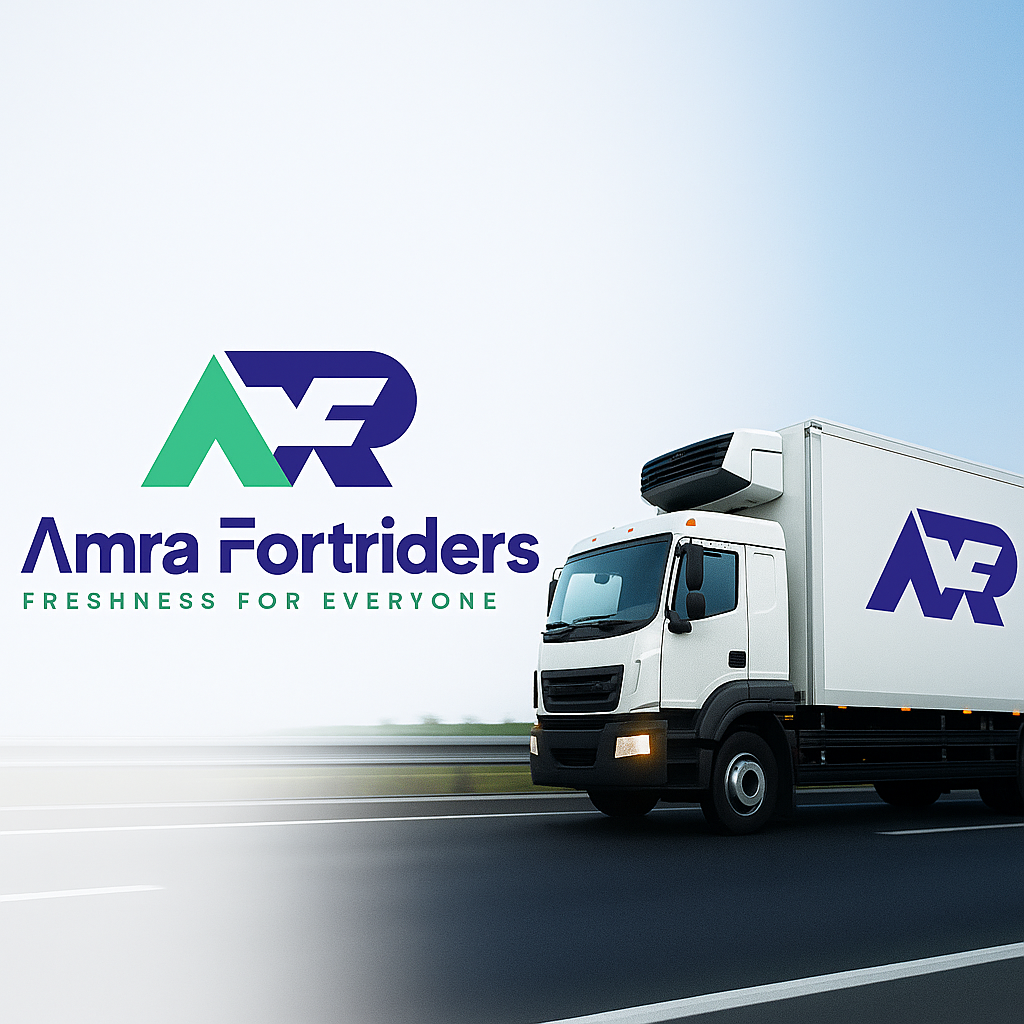
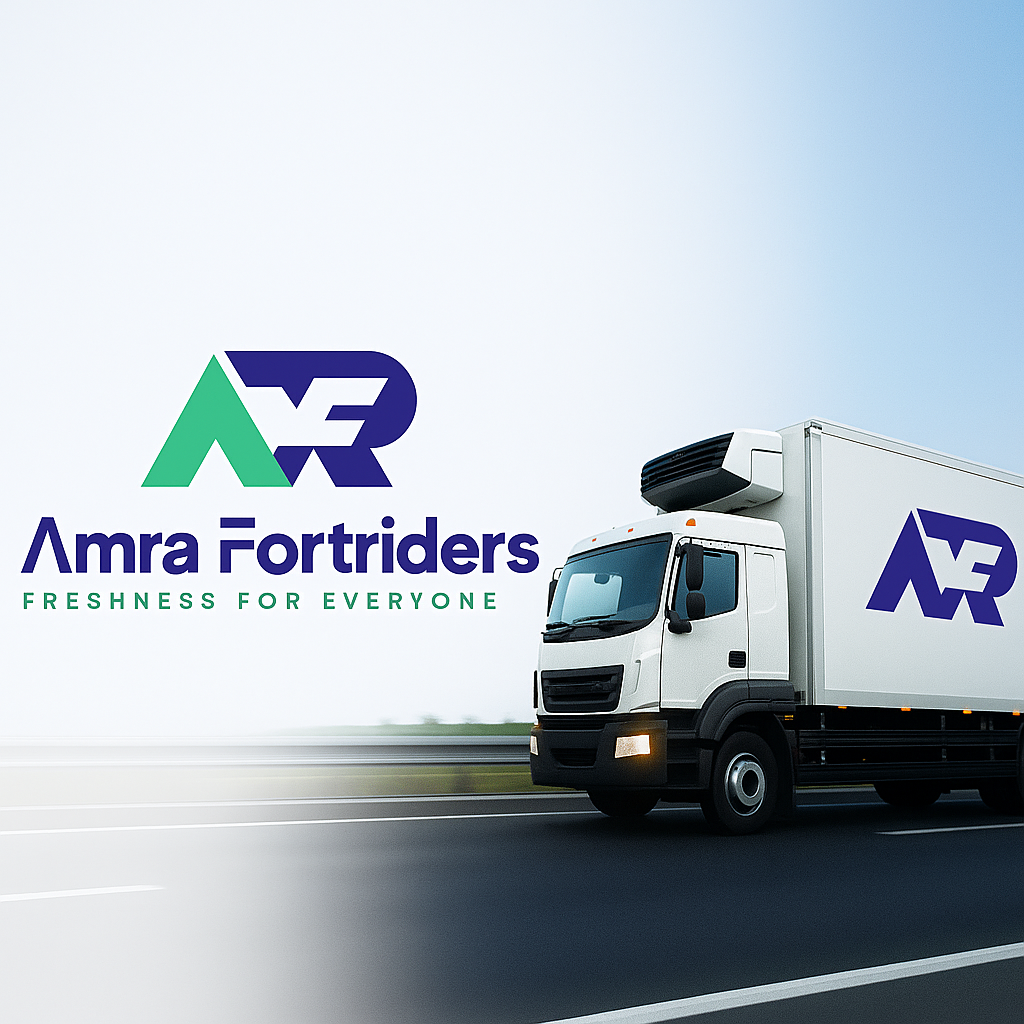
Temperature-controlled trucks are the backbone of the cold chain revolution. Equipped with GPS trackers, telematics, and smart refrigeration units, these trucks ensure real-time visibility and consistency from warehouse to destination. Many companies are now using solar-powered reefer vehicles to reduce environmental impact. - Packaging and Thermal Management
Proper packaging plays a decisive role in maintaining product quality. The use of insulated containers, gel ice packs, and phase change materials provides added protection during transit and last-mile deliveries. The industry is also embracing recyclable and eco-friendly materials to reduce carbon footprint. - Technology and Automation
Artificial Intelligence (AI), Machine Learning (ML), and Internet of Things (IoT) are revolutionizing cold chain management. IoT temperature sensors give real-time updates, while AI-driven predictive analytics help forecast demand and optimize routes. Blockchain ensures end-to-end transparency, reducing spoilage and fraud. - Last-Mile Cold Delivery Systems
With the rise of e-commerce and online grocery platforms, last-mile cold delivery has become a top priority. Compact refrigerated vans, portable cooling boxes, and smart route optimization algorithms are helping deliver perishable products efficiently across urban and rural India.
Technological Advancements Transforming the Sector
Modern cold chain systems are rapidly adopting smart, connected platforms that integrate sensors, automation, and data analytics. Companies like Maersk have launched advanced facilities in Gujarat designed with sustainable energy and real-time fleet management platforms like Lynx Fleet, enabling better fuel efficiency and reduced losses.
The integration of AI and predictive maintenance ensures that equipment and vehicles operate at peak efficiency while minimizing downtime. Cloud-based systems provide instant access to temperature logs, transport analytics, and compliance reports, giving clients total visibility of their supply chain.
Challenges in India’s Cold Chain Ecosystem
Despite significant advancements, the industry faces multiple challenges such as infrastructure gaps, uneven cold storage distribution, power reliability issues, and shortage of specialized manpower. Around 70–75% of India’s cold storage facilities are concentrated in a few states like Uttar Pradesh and Gujarat, leaving other regions underserved.
However, government partnerships and private-sector investment are bridging these gaps. Multi-modal logistics parks and smart distribution centers are being developed to improve cold connectivity across states.
Sustainability: The Future of Cold Chain
Sustainability has become central to cold chain strategy. Companies are deploying green refrigeration technologies like solar cold rooms, natural refrigerants (NH₃ and CO₂), and energy-efficient compressors to reduce carbon emissions. The adoption of renewable energy in cold storage operations aligns with India’s commitment to NetZero by 2070.
Electric refrigerated vehicles and hybrid-powered reefer trucks are also entering the market, significantly cutting down fuel consumption and operational costs. Sustainable design and automation make India’s cold chain not only efficient but environmentally responsible.
Market Outlook: A Billion-Dollar Opportunity
The Indian cold chain logistics market was valued at USD 11.53 billion in 2024 and is expected to touch USD 27 billion by 2033, growing at a CAGR of nearly 9%. The surge in demand for frozen foods, clinical pharmaceuticals, and online retail delivery is fueling this expansion.
With multinational logistics players entering India and technological startups driving innovation, the market promises robust growth. The focus is shifting towards creating a “smart, scalable, and sustainable” cold chain ecosystem that will make India a global hub for temperature-controlled logistics.
The Road Ahead: Building a Resilient and Connected Future
Revolutionizing cold chain logistics in India calls for collective effort — integrating policy, technology, and collaboration. The future cold chain infrastructure will rely heavily on:
- Smart IoT-enabled storage and vehicles
- Predictive AI for route and demand optimization
- Blockchain-based transparency for export assurance
- Skill development initiatives for cold chain technicians
- Green logistics solutions for climate resilience
These innovations will transform India’s logistics sector from reactive to predictive, ensuring that perishable products move seamlessly and safely from farm to fork.